
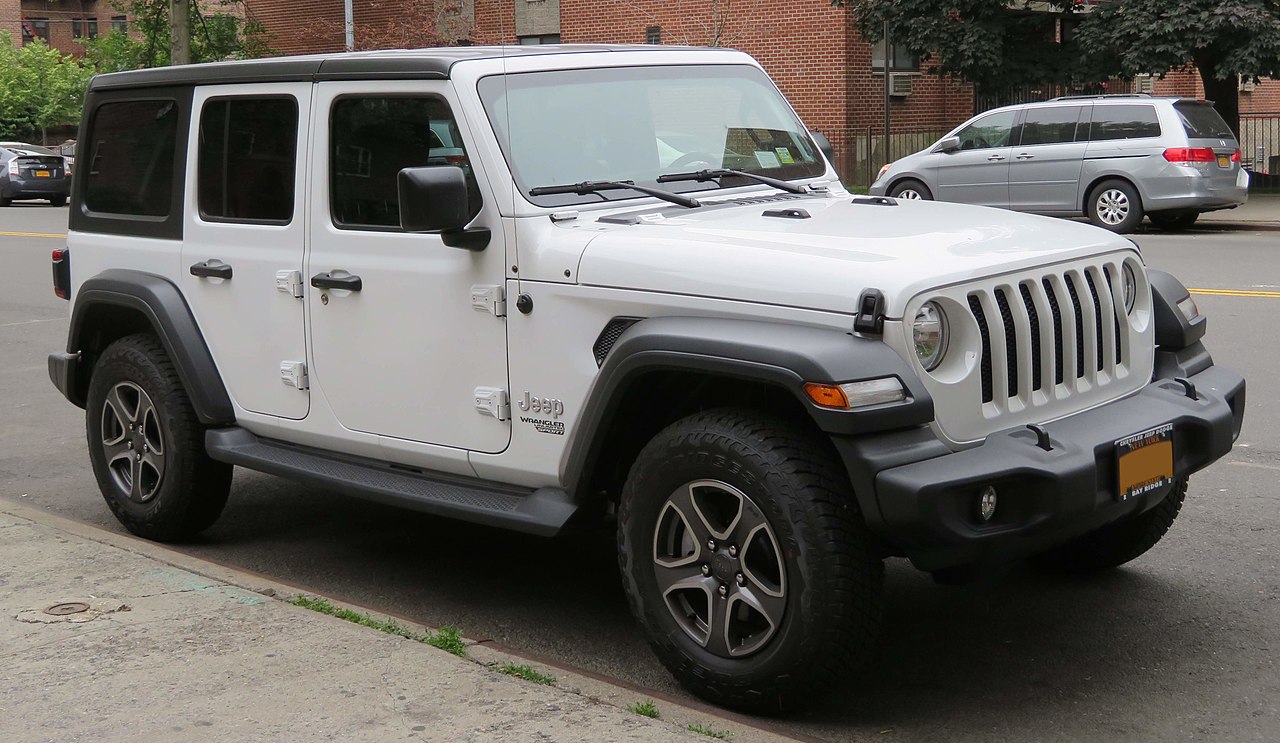
The Jeep Wrangler is a genuine off-roader that captivates fans around the world with its unique character and impressive off-road capability. This article breaks down the features of the current JL model and its predecessor, the JK model, their resale value in the secondhand market, and explains what type of users each is best suited for.
Jeep Wrangler: A One-of-a-Kind Presence That Stirs the Spirit of Adventure
The Jeep Wrangler is a genuine off-roader that captivates fans around the world with its unique character and impressive off-road capability. This article breaks down the features of the current JL model and its predecessor, the JK model, their resale value in the secondhand market, and explains what type of users each is best suited for.
Jeep Wrangler: A One-of-a-Kind Presence That Stirs the Spirit of Adventure
The Jeep Wrangler is a traditional SUV that traces its roots to the Willis MB of World War II, with the current model (JL type) debuting in 2018. Compared to its predecessor the JK model, it has undergone major improvements in rigidity, comfort, and safety, evolving into a versatile model capable of everyday use.
- Powertrain and Drive: Equipped with a 2.0L turbocharged engine and 8-speed automatic transmission. The Selec-Trac full-time 4WD system offers easy handling that you can trust even on city streets.
- Off-Road Performance: The “Rubicon” grade in particular boasts front and rear electronic locking differentials and electronic sway bar disconnect, among other features, giving it top-tier capability in the off-road world.
- Size and Proportions: The four-door Unlimited has an overall length of approximately 4.9 m. With a minimum turning radius of 6.2 m, it offers excellent maneuverability despite being a large SUV.
- Resale Value: Used JL model prices hold steady at 6 million to 9 million yen. Even three years old, they retain 60 to 65 percent of their value, making them a high-value SUV.
The predecessor JK model (2007–2018) remains popular, with two-door versions and manual transmission models commanding premium prices due to their rarity. They excel in durability and serviceability, and are being reassessed as hobby vehicles that offer years of enjoyment.
What Kind of Owners Is the Wrangler Suited For?
The Jeep Wrangler is especially recommended for these types of owners:
- Those for whom outdoor activities and camping are hobbies
- Those who want to customize their own vehicle and enjoy it
- Those who want an SUV but prefer to choose something different from what others drive
- Those looking for a vehicle that holds its value well even when used
Additionally, because the roof and doors can be detached, you can enjoy open-air driving. It excels in a wide range of scenarios, from everyday use in urban areas to weekend activities.
Jeep Wrangler (JL and JK Models) Overview
The Jeep Wrangler carries the direct lineage of the Willis MB from World War II, and since the first generation debuted in 1987, it has been a best-seller for more than 36 years. When the third generation JK model arrived in 2007, a new four-door model called the “Unlimited” was added, dramatically improving practicality. Thanks in part to the success of this four-door model, the Wrangler became one of the most popular vehicles in the D-segment SUV category.
In 2018, a complete model redesign took place, and the third generation JK model evolved into the current fourth generation JL model. At first glance, the traditional styling is preserved, with round headlights, a seven-slot grille, and an angular body silhouette so similar to the previous generation that the differences are hard to spot from a distance. However, upon closer inspection, ten years of refinements are incorporated throughout, making this a model that has achieved “proper evolution while preserving tradition and its world view.” Former JK owners praise it so highly that “the perceived quality and comfort have improved dramatically,” a testament to the modern refinements that have been made.
Points of Evolution on the JL Model (Differences from the JK)
- Body Size and Maneuverability: The JL model is slightly larger, with overall length increased by about 65 mm and width by about 15 mm, while still maintaining a size that is easy to handle in Japanese road conditions. The wheelbase was stretched by 65 mm to improve interior space, while the minimum turning radius was dramatically reduced from the JK model’s 7.1 m to the JL model’s 6.2 m. This is the result of improved rigidity and a redesigned suspension structure, with the JK model’s weak point of tight turning radius dramatically improved.
- Weight Reduction and Fuel Economy: The JL model achieves a reduction in vehicle weight of approximately 70 kg (from 2,020 kg to 1,950 kg). The primary reason is the use of aluminum for doors and fenders and magnesium alloy for the tailgate interior, which greatly improved fuel economy from the JK model’s 7.5 km/L to the JL model’s 9.2 km/L. Furthermore, the newly developed inline four-cylinder 2.0L turbocharged engine (the only engine available in the current Japanese market) achieves 11.5 km/L, showing a dramatic improvement in real-world fuel economy compared to the old V6 engine.
- Powertrain and Drive System: The JK model used a 5-speed automatic transmission and part-time 4WD, but the JL model is equipped with the latest electronically controlled 8-speed automatic transmission, improving acceleration performance and refinement. Additionally, full-time on-demand 4WD (Selec-Trac), a first for Wrangler history, has been adopted, allowing the 4H AUTO mode to automatically distribute front and rear torque during normal driving. When needed, you can still select the traditional 4H Part-time or 4L (center differential lock) modes for torque control suited to road conditions. This is a feature not found on the previous generation, and JK owners have called it “the evolution point we envied most.”
- Interior and Advanced Features: The interior design follows a horizontal theme that conveys tradition, yet the materials and finish are more refined and sophisticated. A 7-inch touchscreen display (8.4 inches on higher trim levels) is mounted in the center of the dashboard, and it features the Apple CarPlay/Android Auto-compatible Uconnect system. It comes equipped with modern amenities such as a media hub with USB/AUX ports, greatly improving usability. The rear seats have also been redesigned—the JK model’s excessively upright backrest angle has been corrected to a position where adults can relax. Additionally, many comfort features that are Wrangler firsts have been added, including push-button engine start and keyless entry (Enter ‘N Go) that unlocks and locks doors by simply touching the door handle. Overall, the JL model has dramatically improved convenience and comfort to the point where it is said to possess “charm that transcends its price.”
- Engine and Grade Lineup: The Japanese-market JL model Wrangler initially included a V6 3.6L, but it is now standardized on the 2.0L turbo (for improved environmental performance). Grade options include Sport, Sahara, and Rubicon, with Rubicon being the top tier equipped for serious off-roading. While the previous-generation JK model had limited official availability of the Rubicon, the JL model now includes it in the official lineup as the “ultimate off-roader,” equipped with front and rear differential locks and electronic controls that can disconnect front and rear stabilizer bars.
Conclusion
The Jeep Wrangler is a vehicle that delivers “the joy of ownership” through its impressive off-road capability, distinctive design, and robust construction. With the current JL model also showing major improvements in on-road performance and commanding exceptionally high resale value among imported SUVs, it holds considerable appeal.
It’s a model we can recommend even to those considering a used purchase, and as a “usable asset” that combines practicality with recreational appeal, it will maintain strong popularity going forward.