
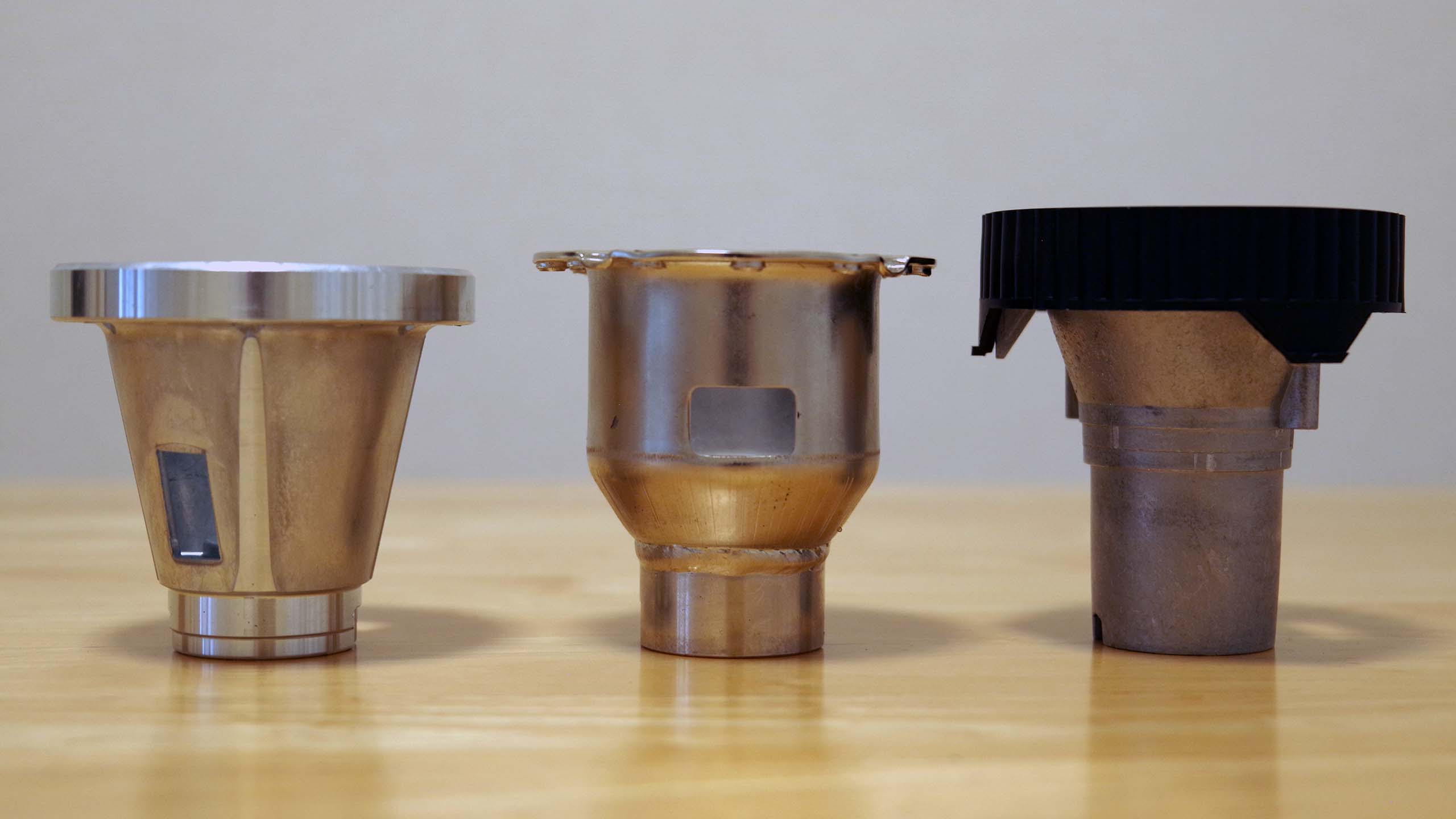
The steering boss (hub) needed for steering wheel replacement.
This time, we compared three standard domestic products—Daikei and Works Bell , HKB SPORTS—side by side. Use this as a reference when choosing.
Our shop had decided on a particular manufacturer to use, but comparing them lined up like this really brought out the differences between the three companies in an interesting way. We did this comparison using an NB Roadster, but you’d see similar differences with other car models.
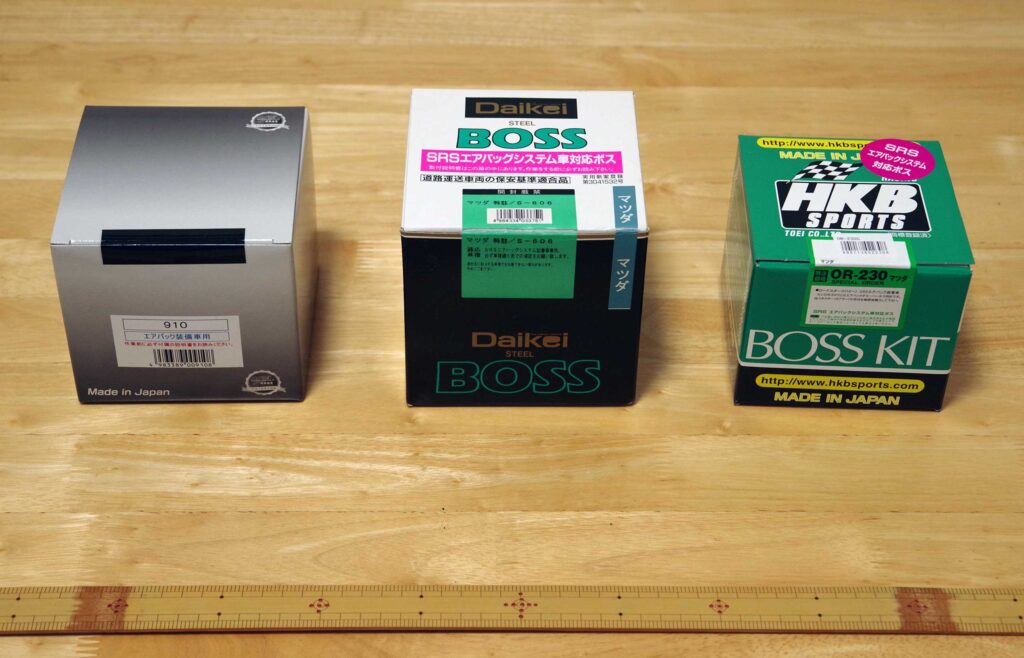
📦 Hands-on comparison
| Product | Length | Weight (cover + wiring included) |
|---|---|---|
| Daikei S-606 | 80 mm | 441 g |
| Works Bell 910 | 75 mm | 534 g |
| HKB SPORTS OR-230 | 90 mm | 270 g |
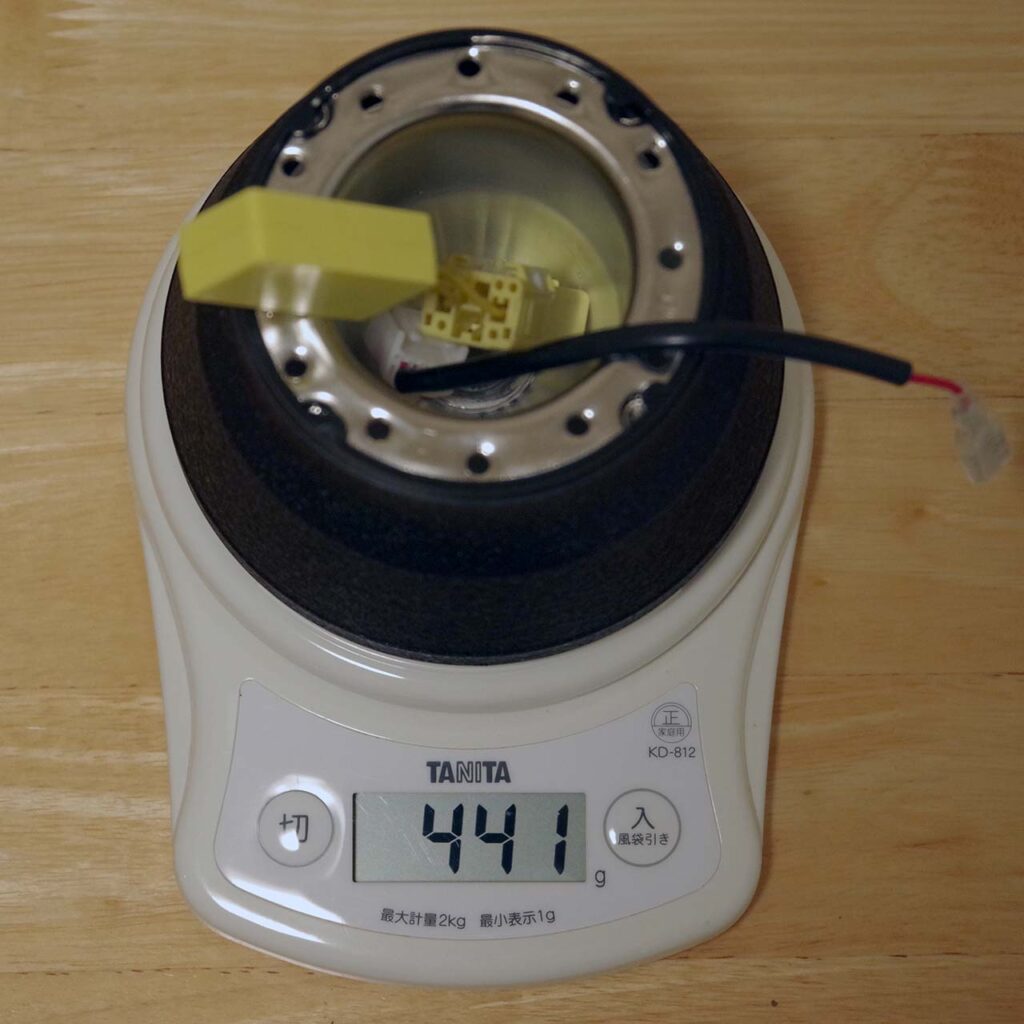
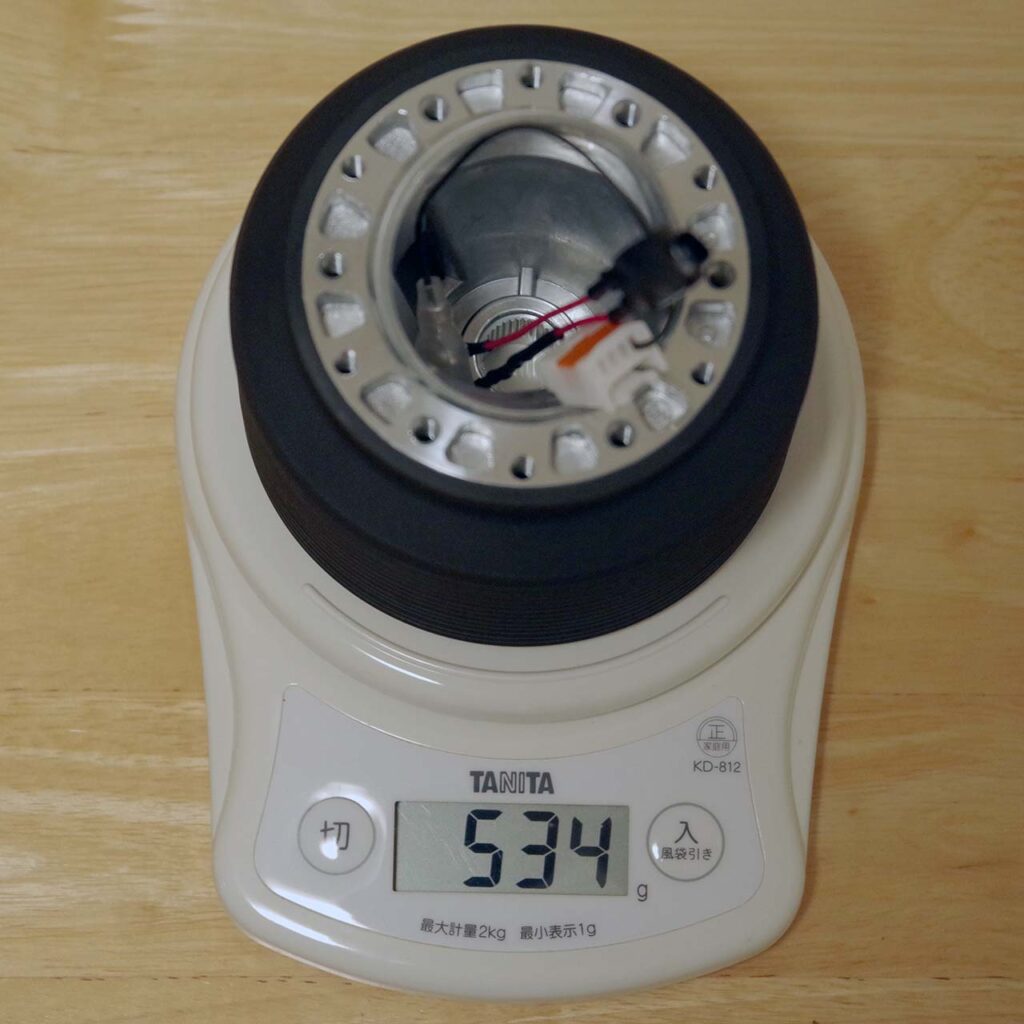
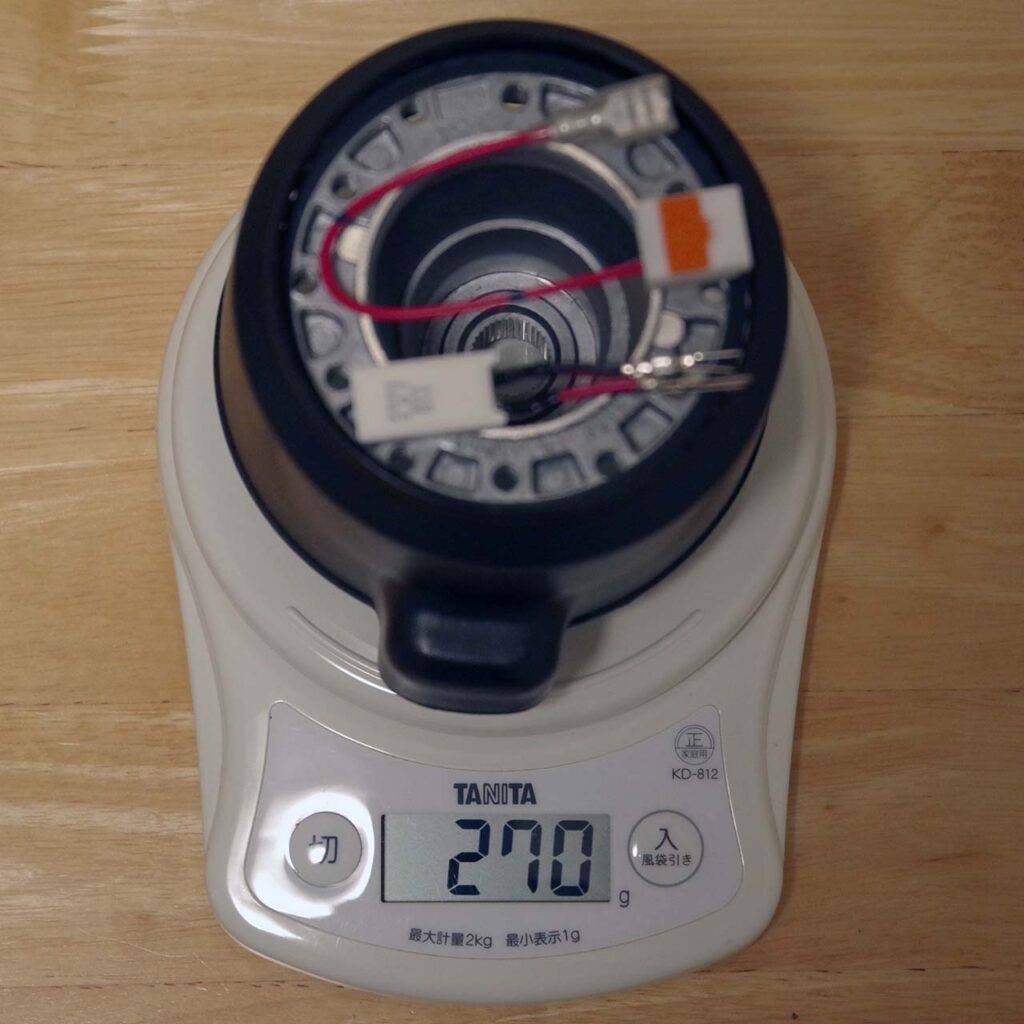
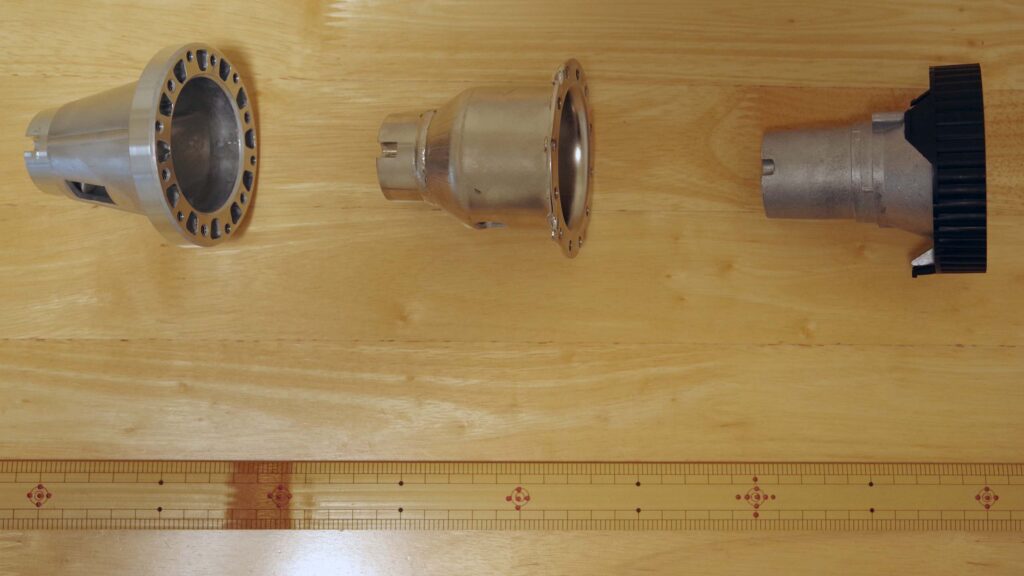
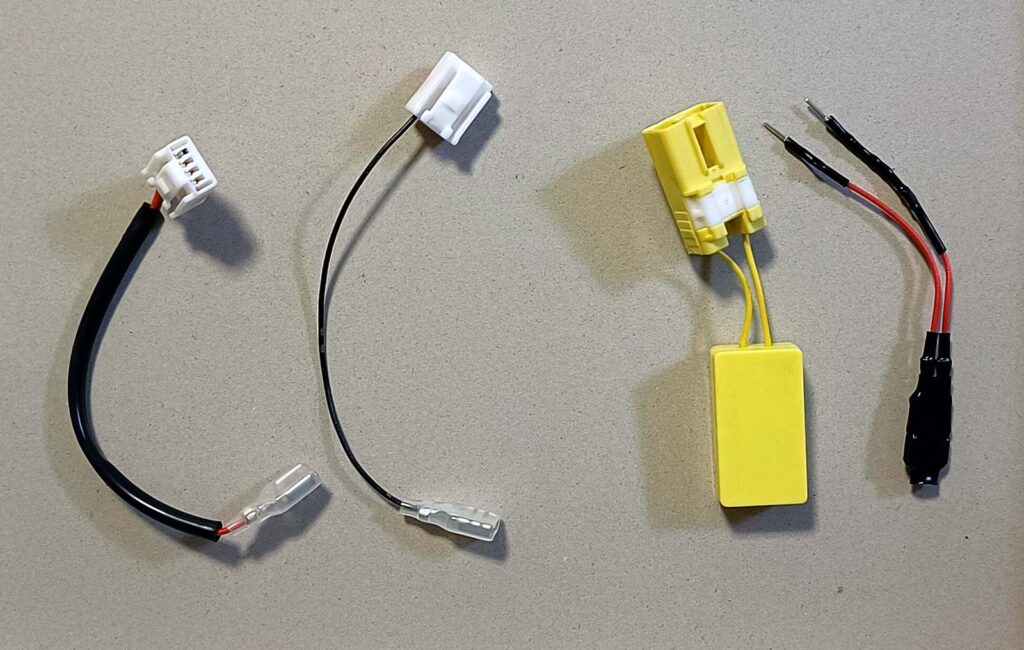
Left side is Daikei, right side is Works Bell
🔨 Steel vs. aluminum die-cast—a surprising twist
It’s generally thought that “aluminum is light and iron (steel) is heavy,” but this comparison proved that conventional wisdom wrong.
Despite being steel, Daikei’s boss uses a design and manufacturing process that harnesses the material’s strength, resulting in something lighter than Works Bell’s boss. Even more interesting is HKB SPORTS’ boss. It’s also aluminum die-cast, but the structure is sophisticated and requires minimal machining, achieving about half the weight of Works Bell—surprisingly light.
In other words, the weight difference comes down to the difference in design philosophy and machining approach, not the material itself. It’s not as simple as “steel is heavy, aluminum is light.”
✨ Differences in feel, design, and finish
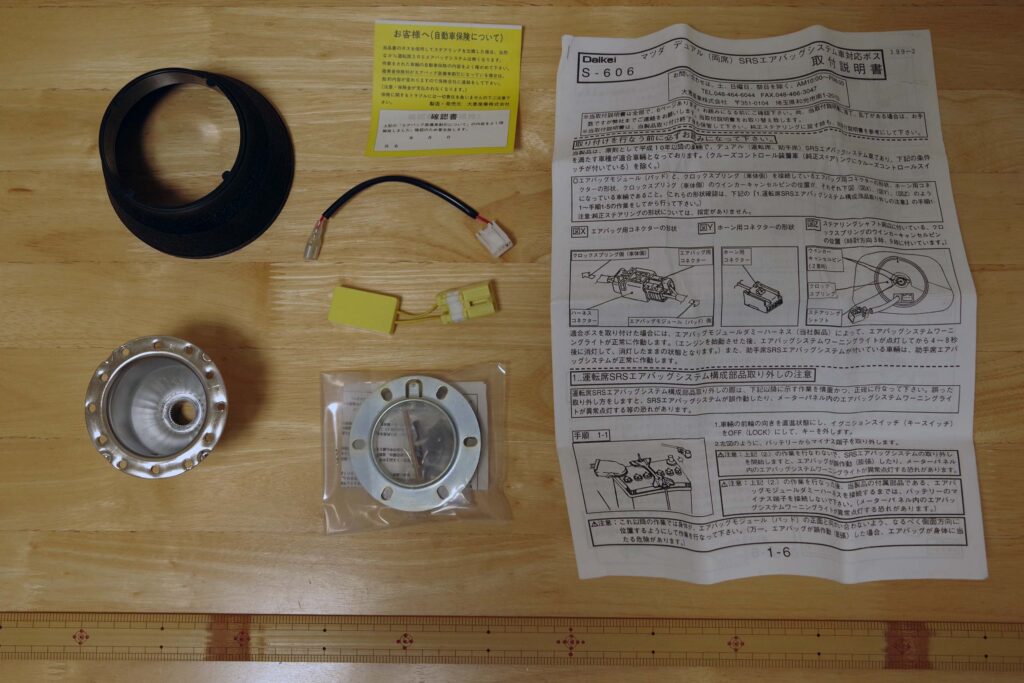
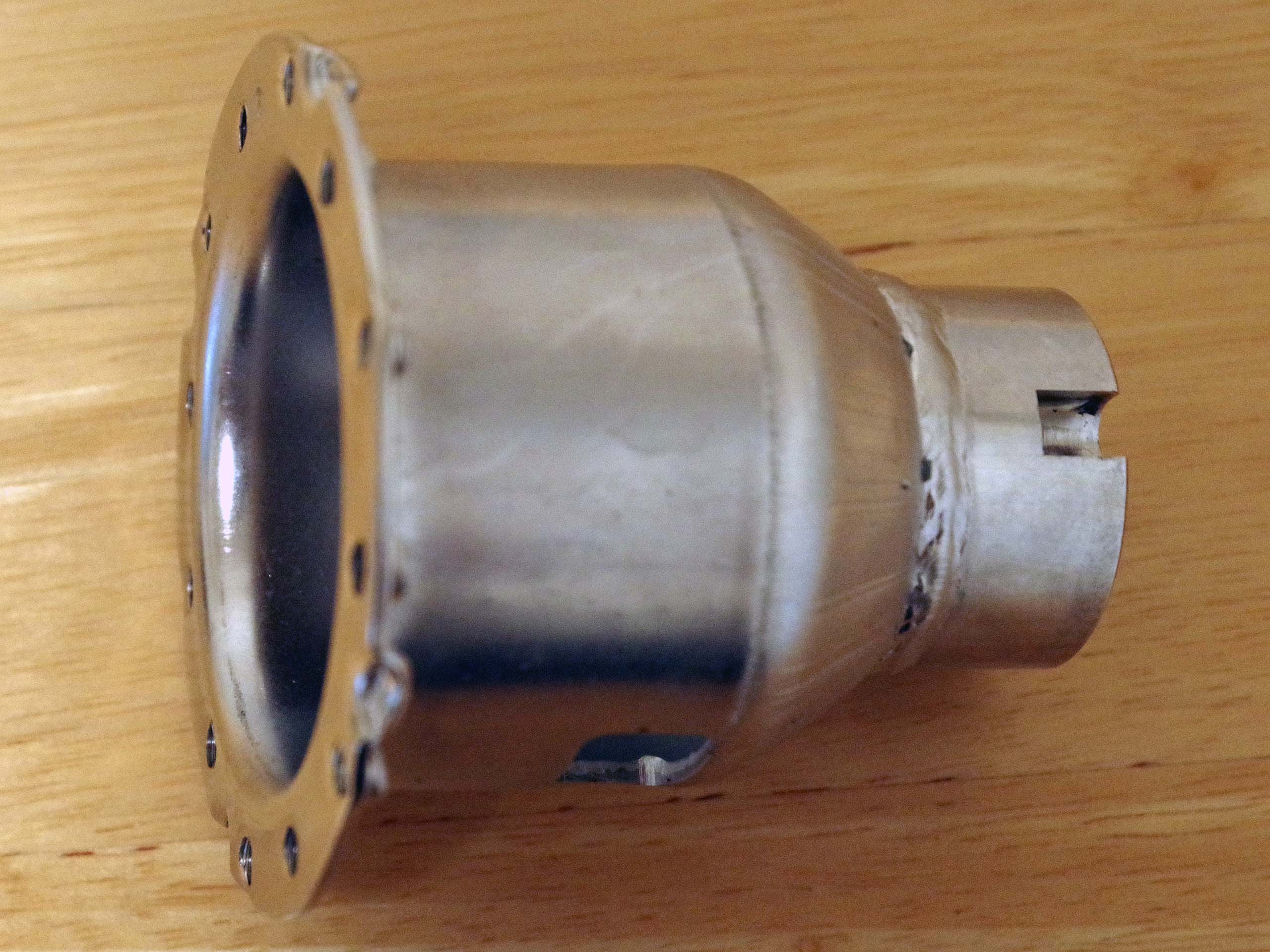
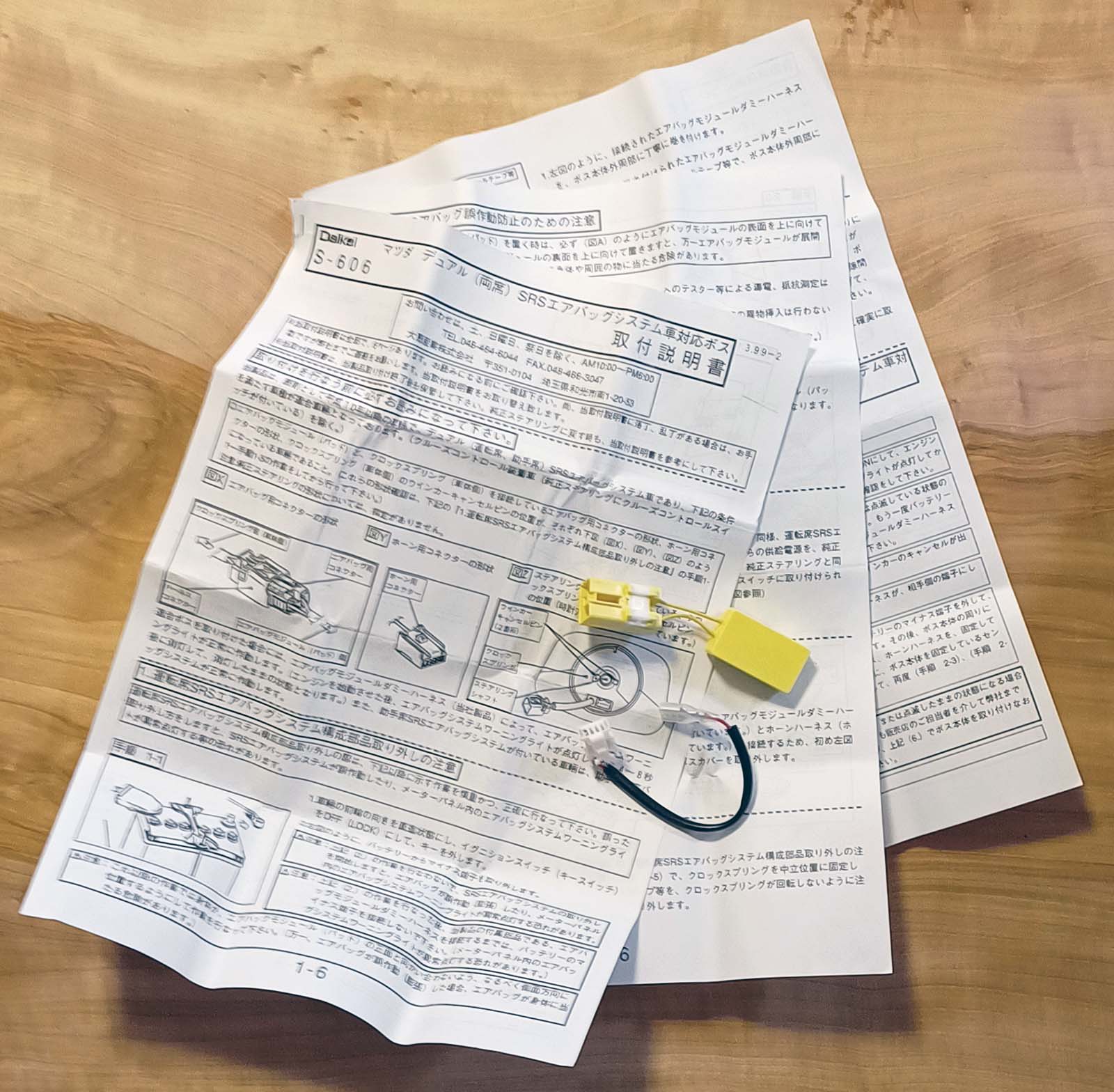
▪ Daikei S-606
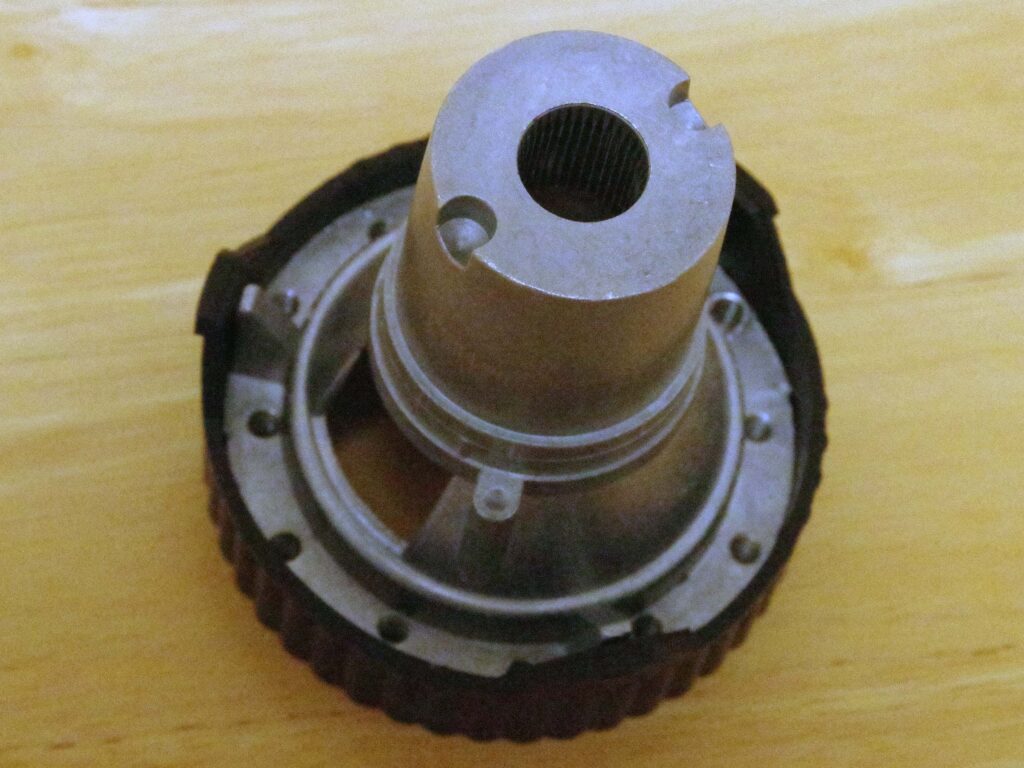
- Spline section is machined from solid, drawn sections and welded
- Multiple processes—pressing, machining, welding, plating—requiring considerable labor
- The airbag canceller is trustworthy
- The resistor is in a case and connected by connector
- Horn harness comes with protective tubing
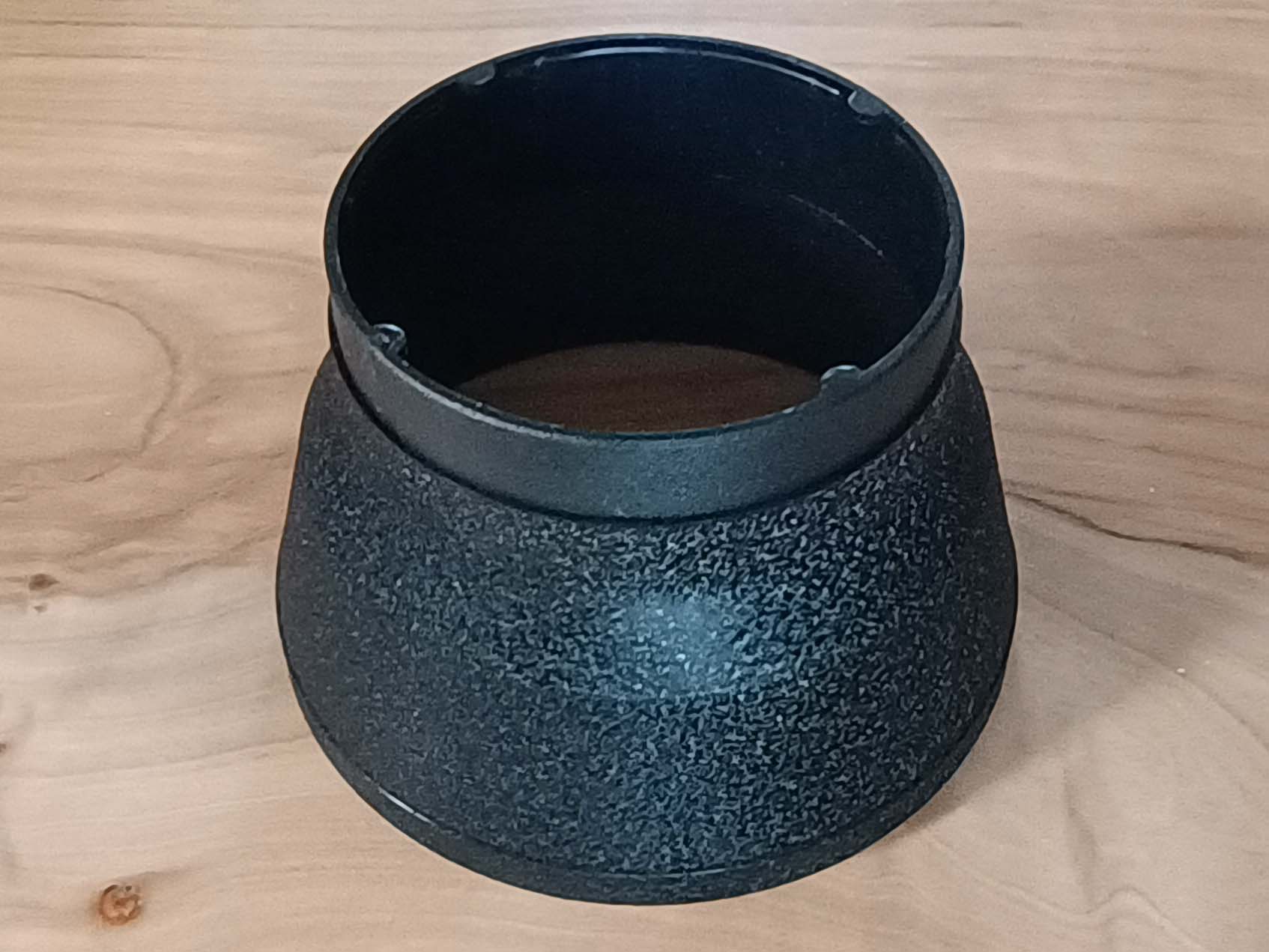
- Crystal finish-style cover is expandable
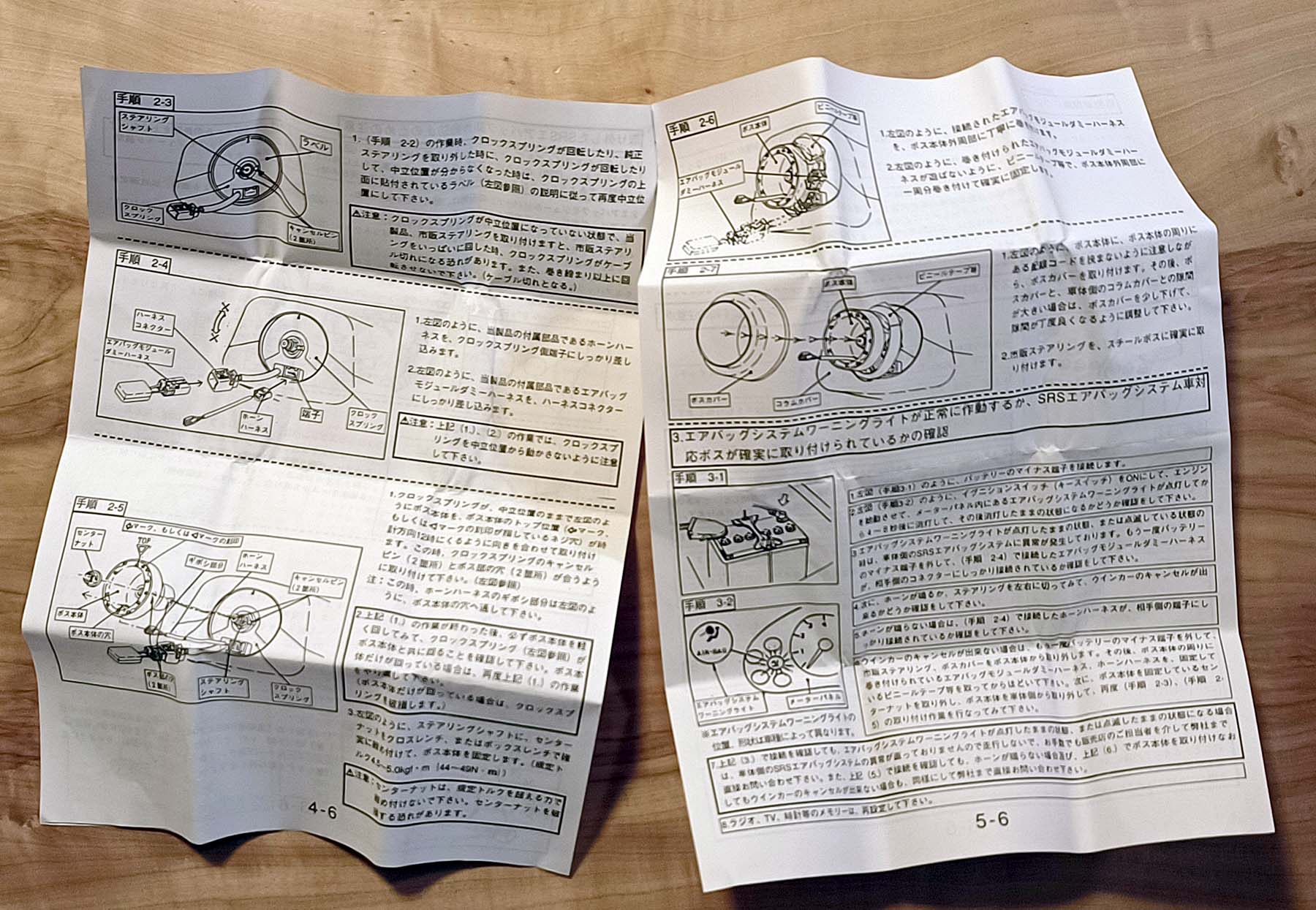
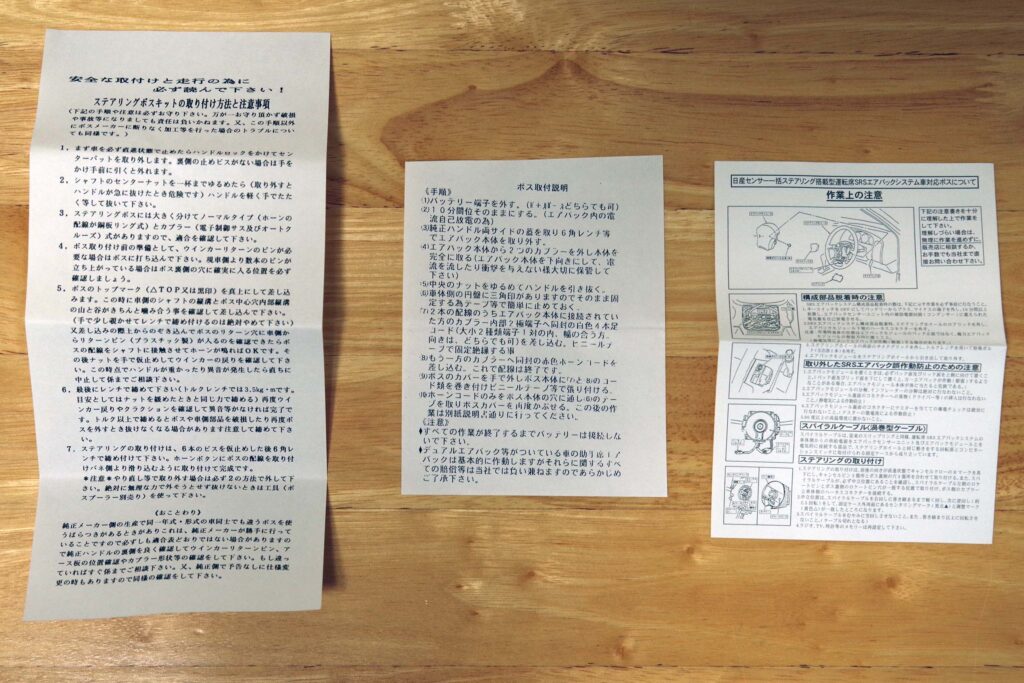
- Instructions are B4 size, 6 pages, large format with plenty of diagrams—extremely helpful
- Roughly half the space covers removal of the original steering wheel
- Also notes a precaution to prevent injury: remove with the center nut still in place
→ Overall, an impression of “quality and sturdiness.” A product made with time and care.
▪ Works Bell 910
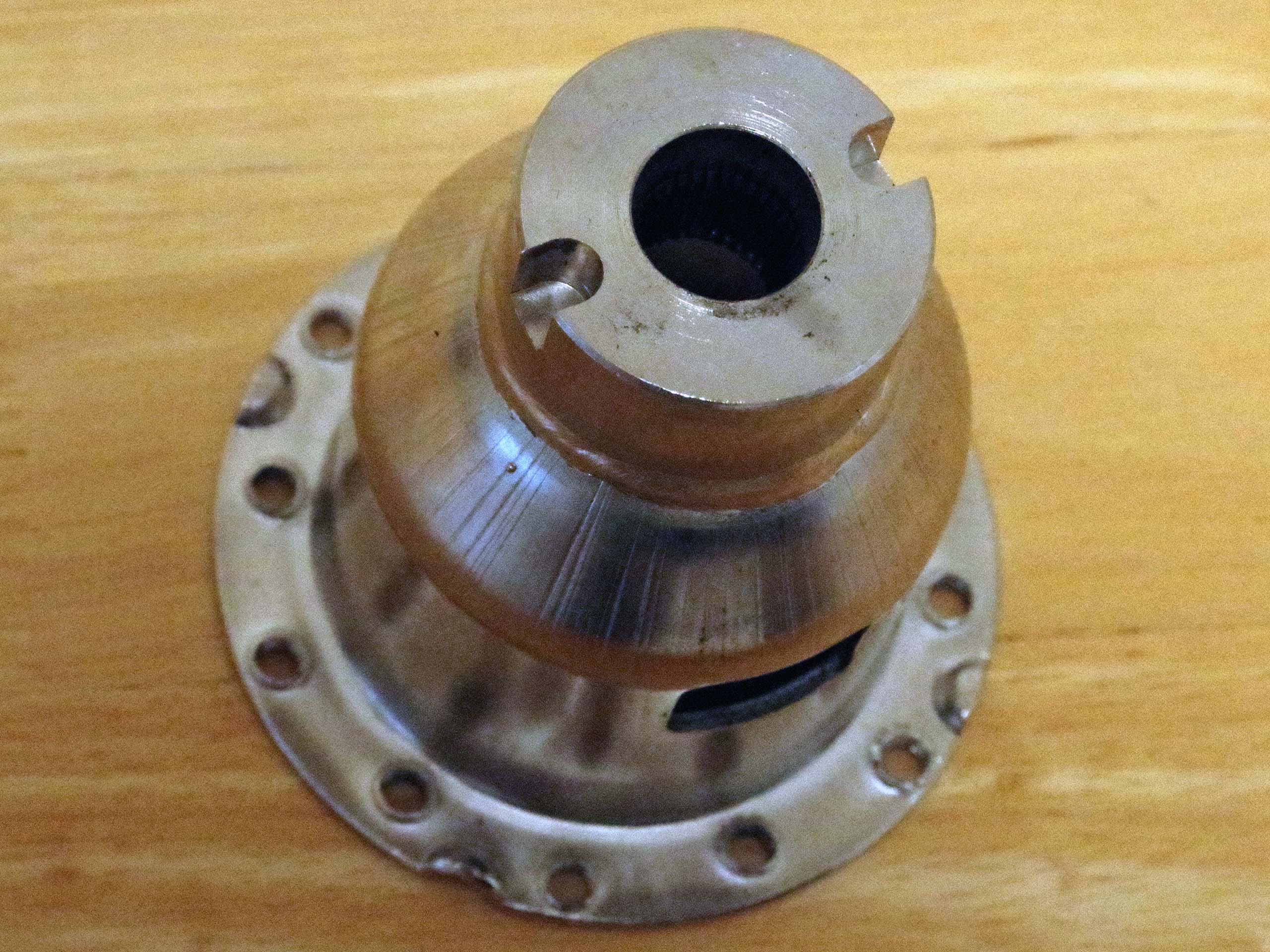
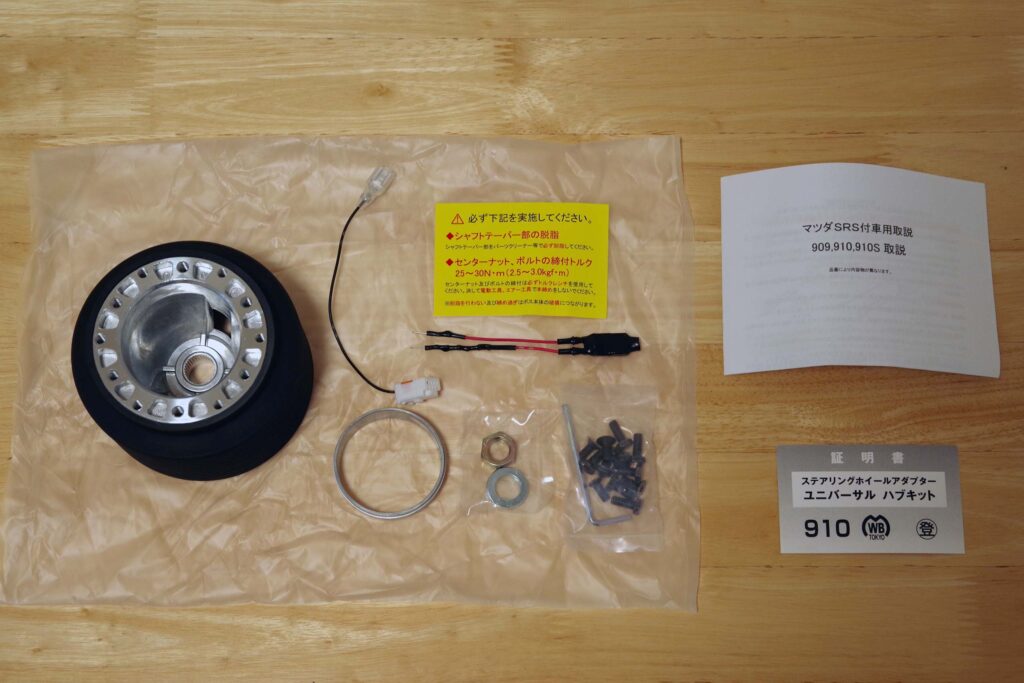
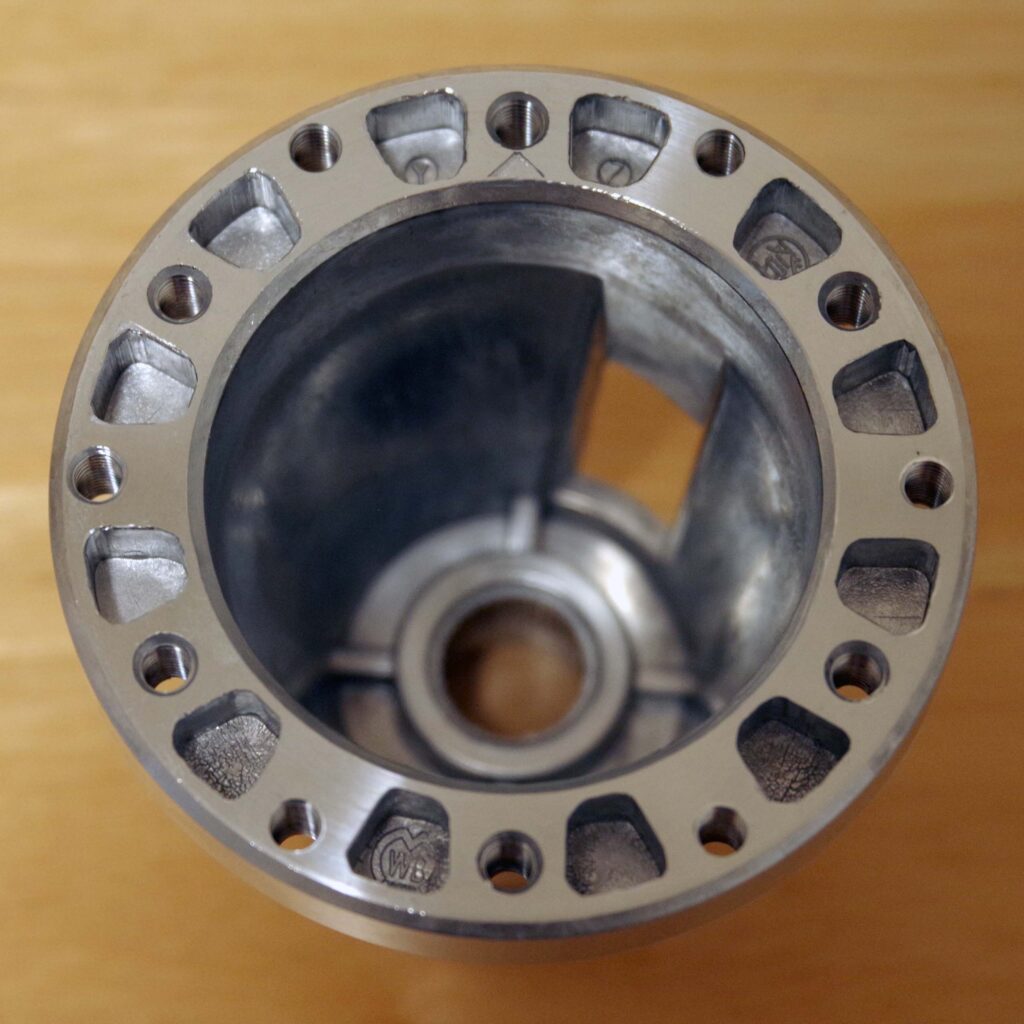
- High precision, complex shape. Appearance is neat.
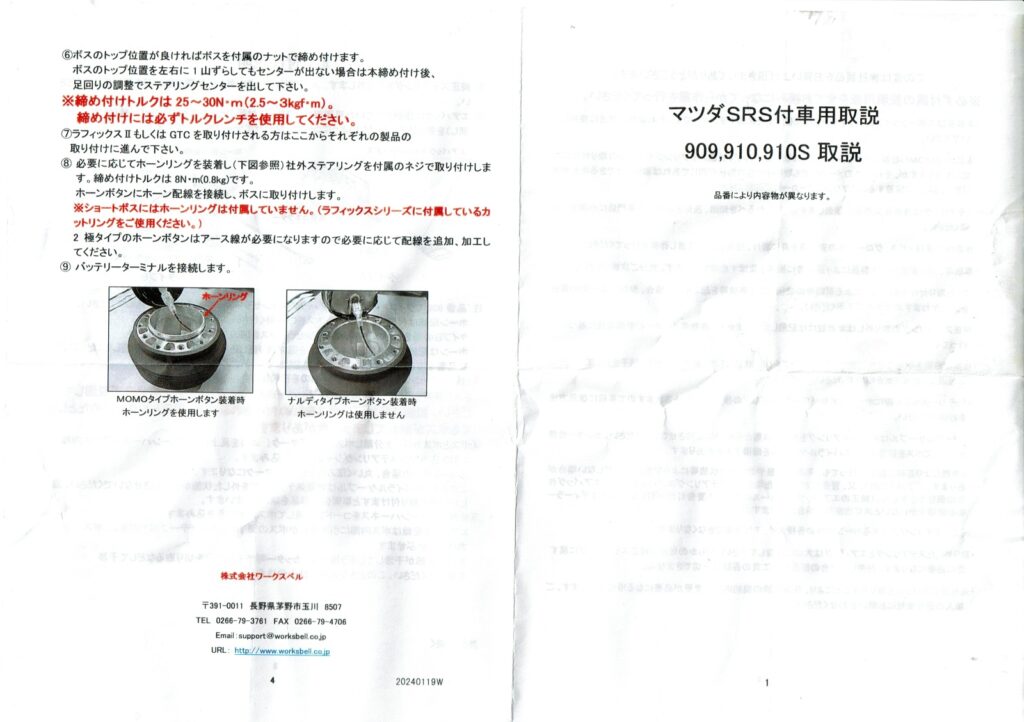
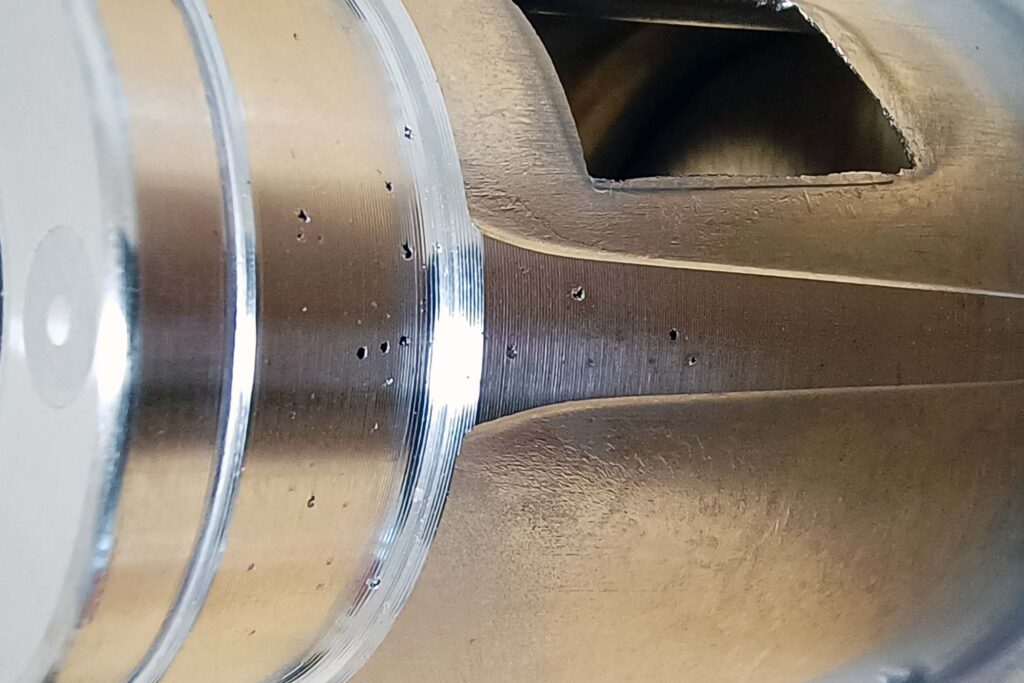
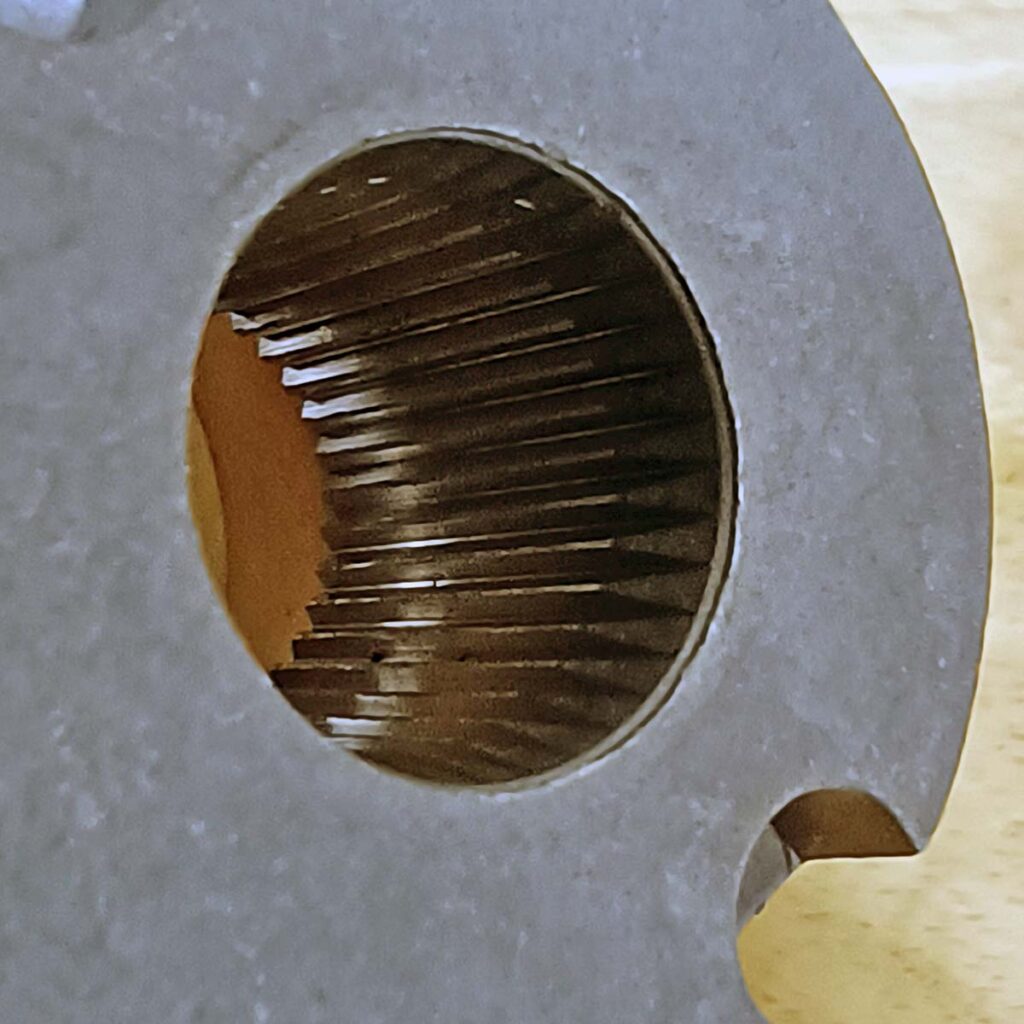
- Can see about 0.5φ casting cavities in machined sections
- Airbag harness is covered with heat-shrink tubing; wiring is thin
- Accordion-style cover is cut to adjust
- Comes with mounting nut
- Instructions are A4, printed on both sides of one sheet, making 2 pages including cover and notes
- I didn’t think a customer could install this from reading the manual alone, but it does say to ask a specialist shop
→ Looks like high precision, and feels heavy.
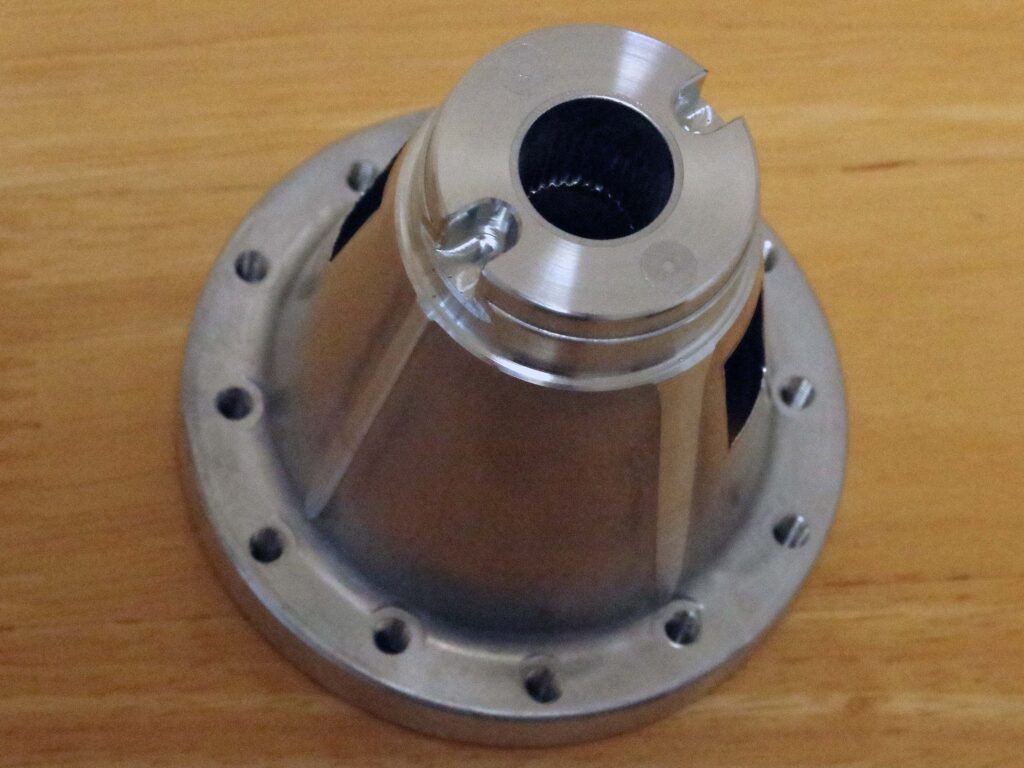
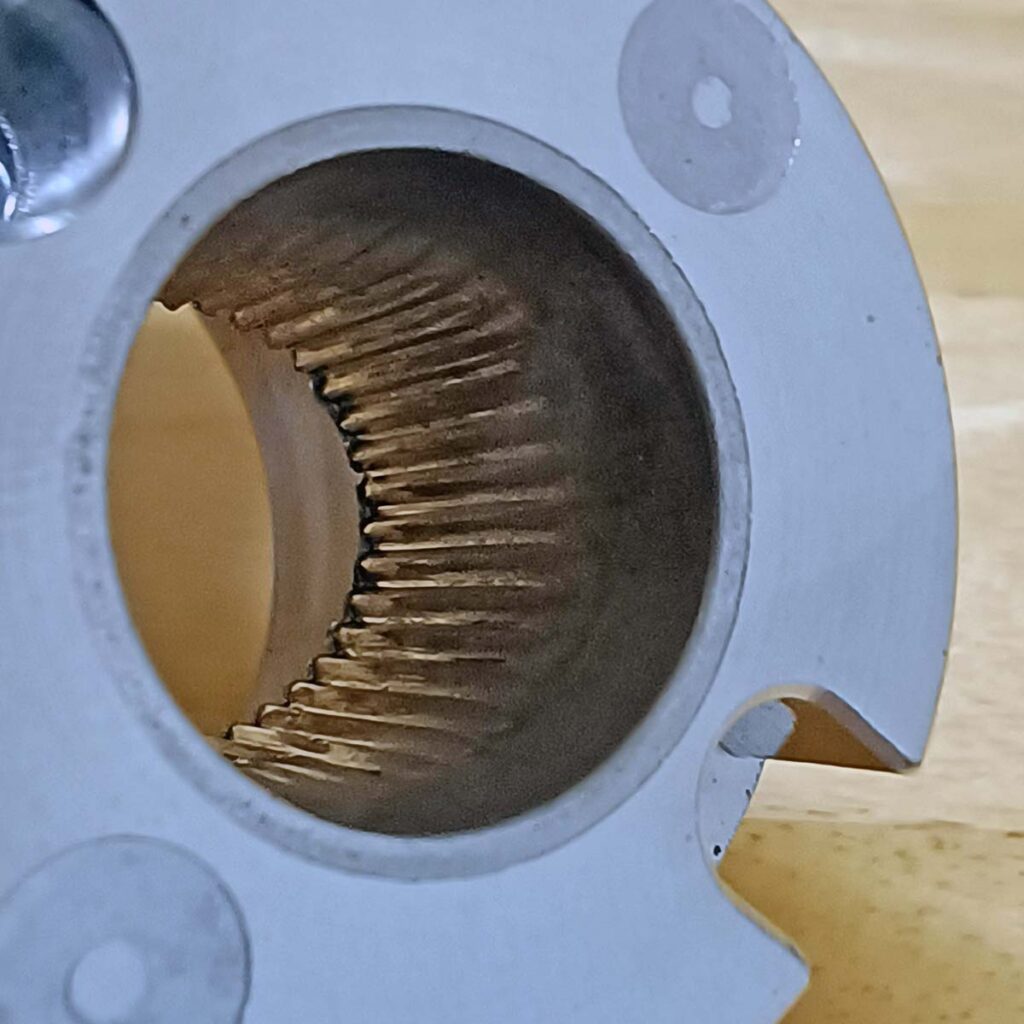
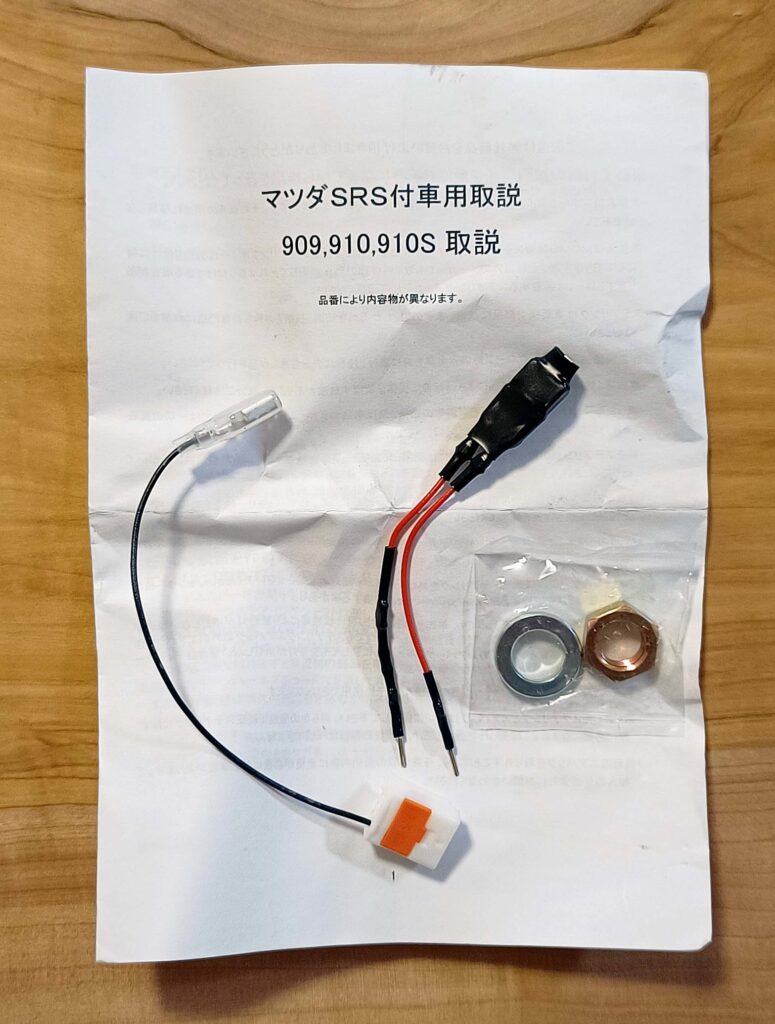
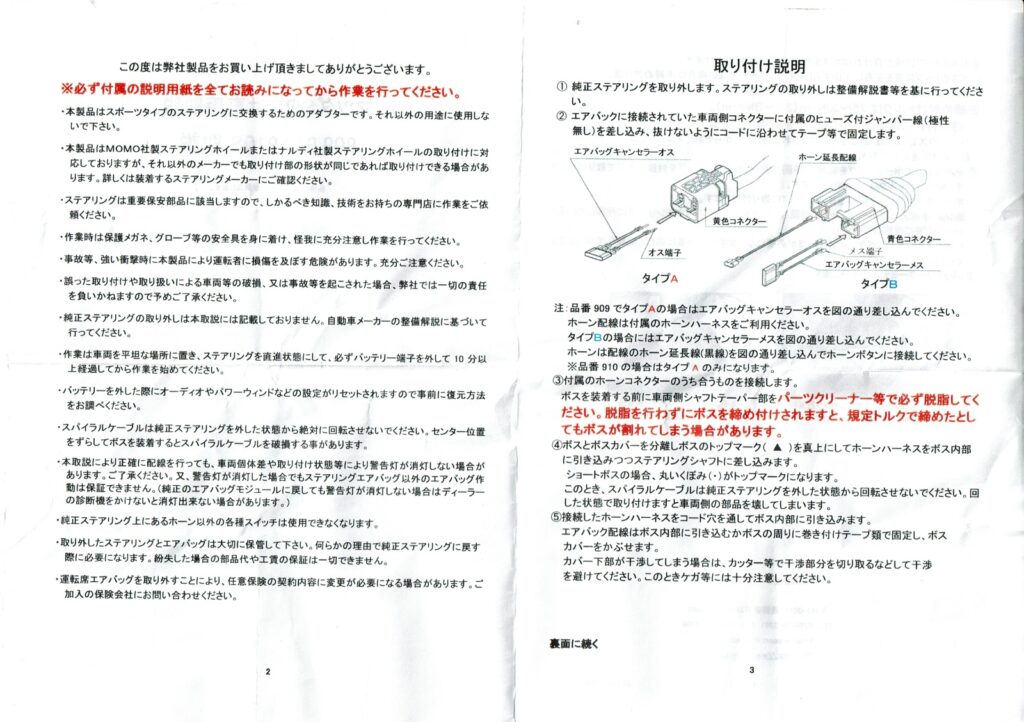
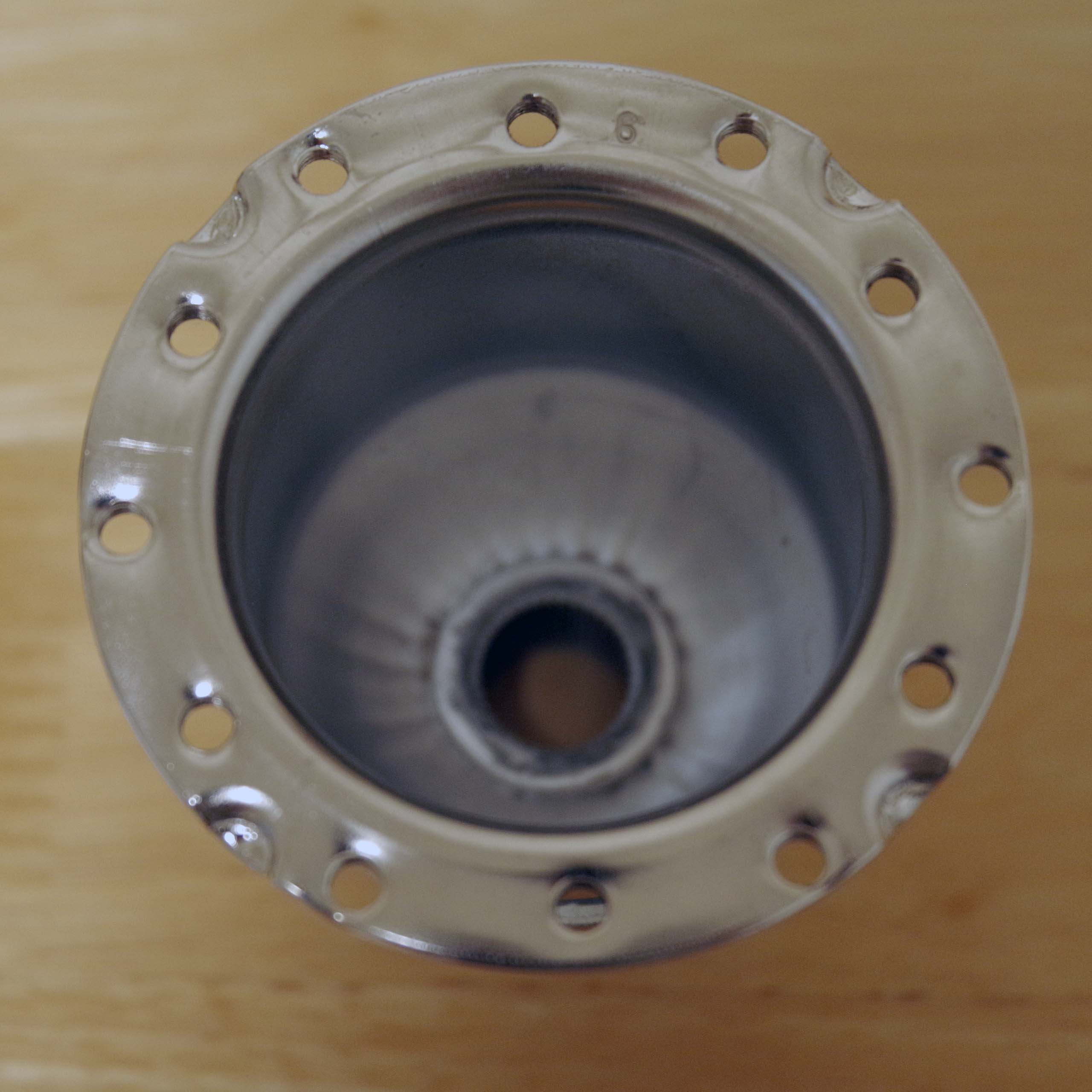
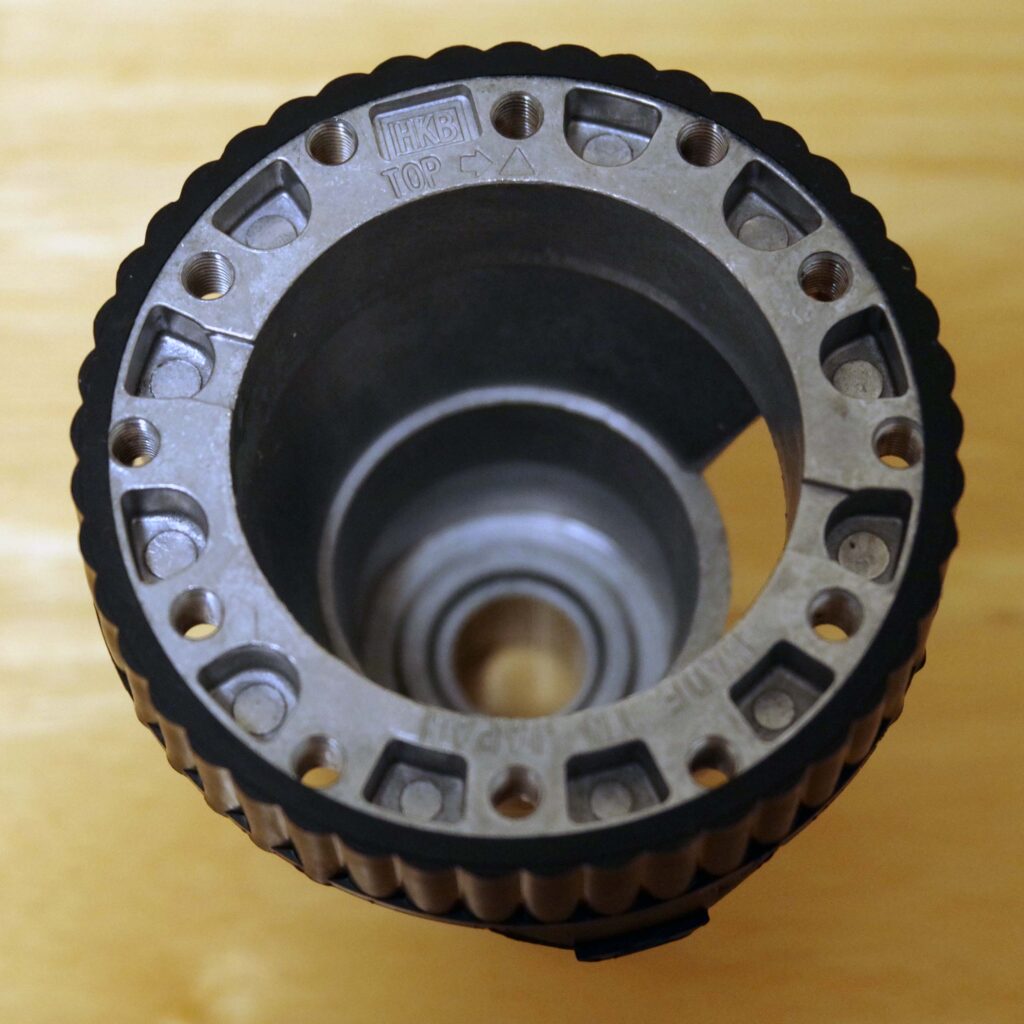
▪ HKB SPORTS OR-230
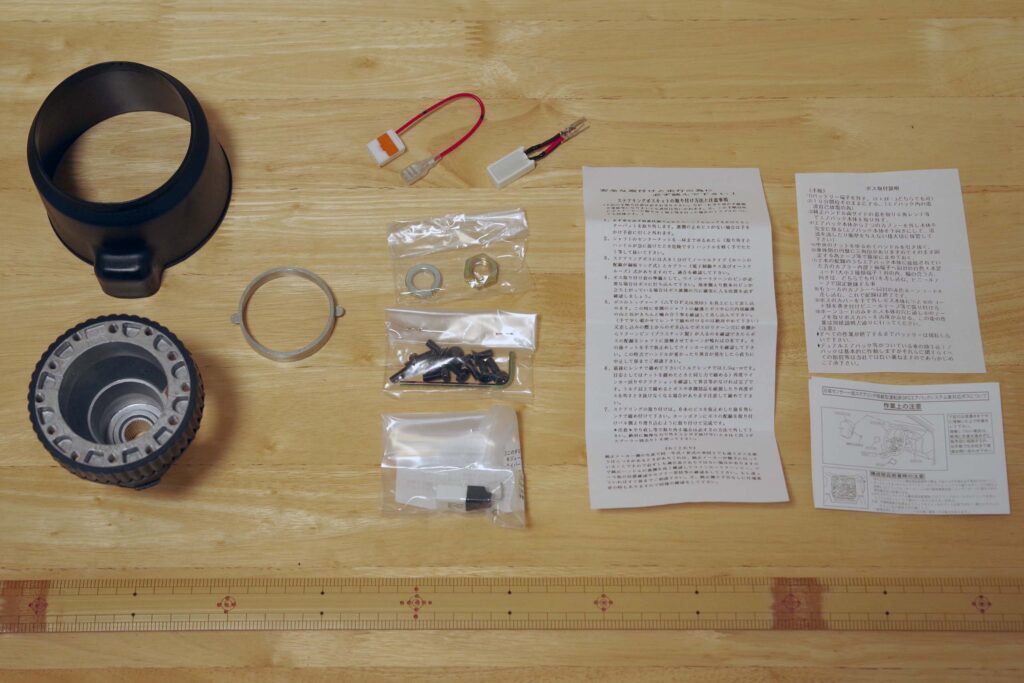
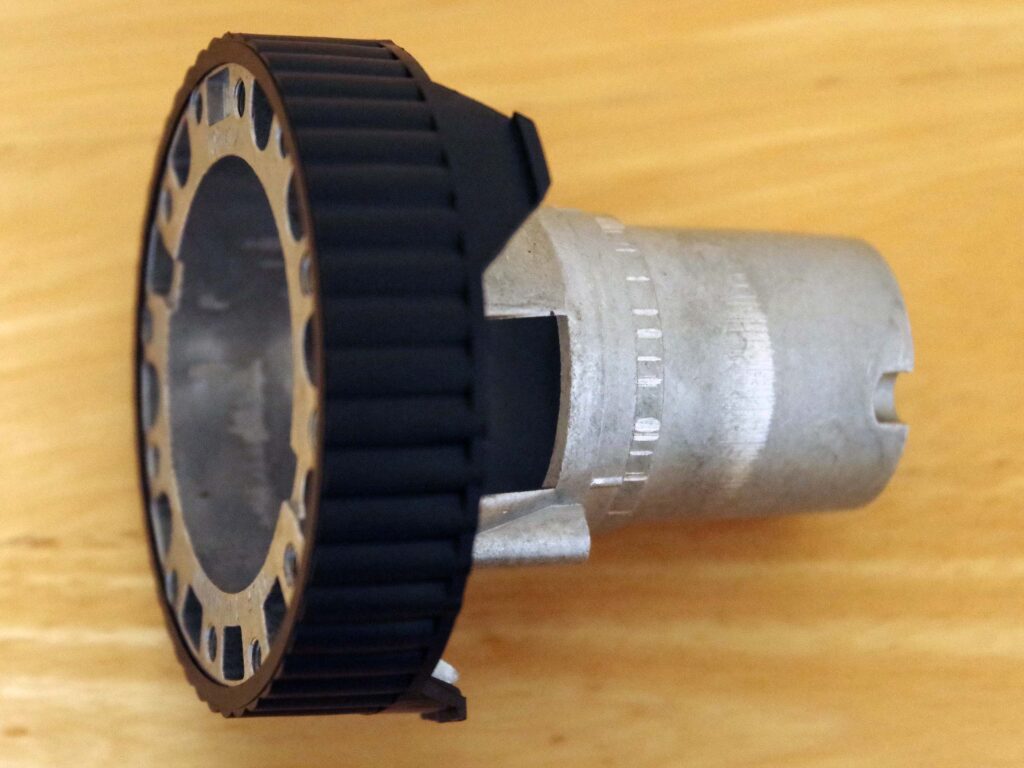
- High precision, complex shape
- Lots of cast finish, minimal machining
- Airbag harness has bare cement resistor
- Sophisticated slide-boot style cover is expandable
- Horn ring has a retaining feature
- Comes with mounting nut
- Instructions are three small sheets, but do mention the precaution about removing the center nut without first taking off the bolt.
→ Complex shape thanks to die-casting, and very light.
🔧 Differences in tightening torque
The center nut that fastens the boss to the steering shaft has these specified tightening torques.
- Daikei: 4.5–5.0 kg·m
- Works Bell: 2.5–3 kg·m
- HKB SPORTS: 3.5 kg·m
- (Roadster manufacturer spec: 4.0–5.0 kg·m)
This difference clearly reflects the strength difference in the products. The aluminum die-cast Works Bell and HKB are specified with lower tightening torques.
Works Bell apparently warns that if you don’t degrease the shaft taper section, the part can crack even at the specified torque, and they specify using the included nut and spring washer. About tightening torque | Worksbell
That said, I think achieving a secure fit at the interference section with aluminum die-cast is difficult. I think they should either use a casting material with higher ductility and toughness, or make a structural improvement like combining it with an iron sleeve. In fact, the genuine Nardi boss has an iron sleeve with splines machined into it that’s cast into the die-cast.
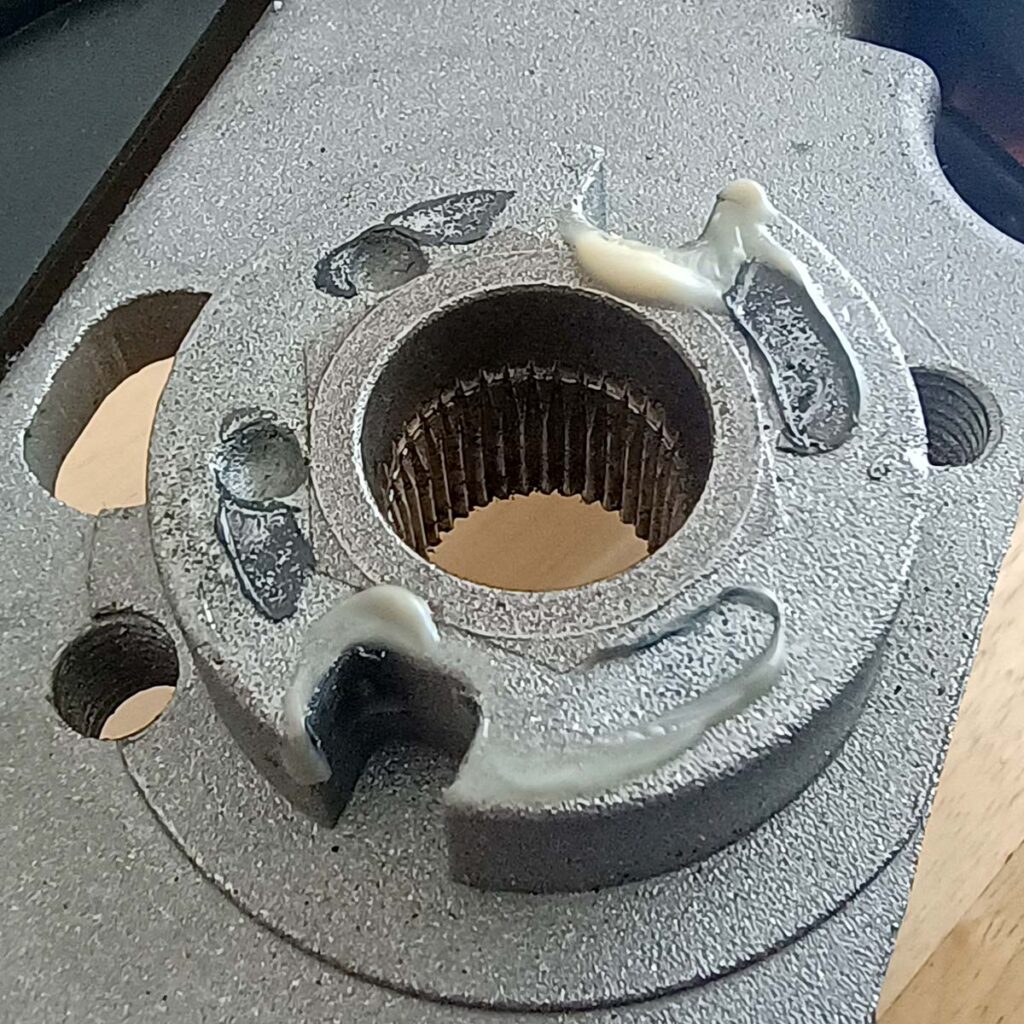
🏭 Machined product vs. die-cast: the philosophy behind the product
▪ Daikei (Daikei Sangyo)
- Structure: Steel + machine-machined + welded construction
- Features: Not suited for mass production, but superior precision, rigidity, and reliability.
- Included items: Harness and airbag canceller quality are high, and the instructions are clear and thorough
- Weight: Steel, middling
▪ Works Bell
- Structure: Aluminum die-cast molding + finish machining
- Features: Designed for mass production with molds. Has a sense of precision, but thick-walled and heavy for the rigidity you get
- Included items: Airbag canceller and horn wiring are thin, and instructions are minimal
- Weight: Aluminum, the shortest length but the heaviest
▪ HKB SPORTS
- Structure: Aluminum die-cast molding, minimal machining
- Features: Optimized design pays off with lightweight, most affordable
- Included items: Airbag canceller and wiring are simple, instructions are simple too
- Weight: Lightest (about half Works Bell’s weight)
✅ Conclusion: Daikei for strength, HKB for lightness
For that matter, original steering wheels on basically all car models are steel. Car makers deliberately choose heavy iron for reasons of “rigidity, durability, and collision safety.” This suggests that, from a safety and reliability standpoint, there are requirements that aluminum die-cast cannot meet.
I’ve seen explanations for aftermarket aluminum die-cast bosses that say they “intentionally break in a collision to protect occupants,” but this is a gray area—is boss breakage really necessary in a collision? Daikei’s boss doesn’t look like it would break easily, yet it apparently complies with “Road Transport Vehicle Safety Standards Article 11 (Steering System)”.
Modern automobiles are designed so that axial loads around the steering shaft are absorbed by the vehicle body through crushable structures (column collapse and tilt relief). In other words, the claim that a boss protects the driver by breaking lacks technical foundation. Factory steering columns do not break that easily. A boss that is integrated all the way to the fitting point with the steering shaft is not considered suitable for aluminum die-casting.
In our actual measurements, the aluminum die-cast Works Bell was heavier than the iron Daikei. HKB SPORTS is reasonably priced and lightweight, so there is something to be said for it.
🧠 The looks are retro, the substance is genuine.
For your steering’s lifeline, choose iron.
Daikei’s boss is plain and unadorned. Its website has been frozen in time since 2001. Yet the substance is not just adequate for the modern era—it is high-quality work that can still set the standard today.
Precisely for this reason, in reliability, precision, and rigidity—the most critical performance characteristics—we choose Daikei. Not “safety through breaking,” but rather “peace of mind through durability”.
🖥️ Aside: a message from 2001, the official website of Daikei Sangyo
By the way, if you looked up information about this Daikei steering boss and visited their official website, you might have been surprised.
Daikei Sangyo’s official website: http://www.daikei-s.co.jp/
Shift_JIS encoding, static .htm files, frame-based layout with hand-coded HTML vibes, no mobile support with a “please view from PC” message—
and yet a site miraculously built with IBM HomePage Builder continues to be active and updated.
But that is precisely what makes Daikei—大恵—true to itself.
Substance over style, solid quality over unnecessary gimmicks. From
the website’s appearance, you can sense a philosophy that says, “if something doesn’t need to change, don’t change it.”
There are no flashy ads or social media promotions. Yet those who know choose Daikei.
Perhaps this is the true meaning of the words “trust and track record.”